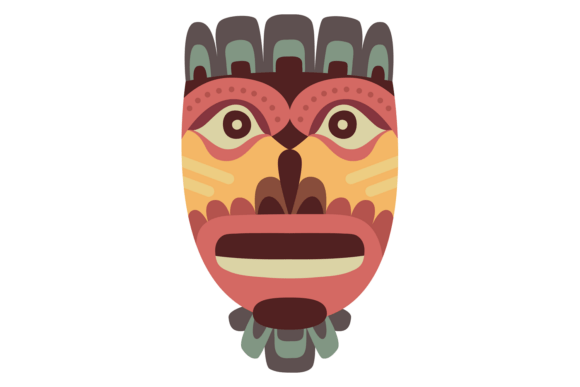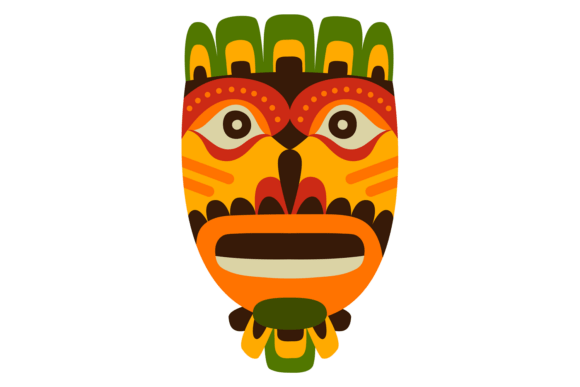
Traditional African Totem Style: Decorative Ornament Mask
When you are building a brand or a creative project, you are constantly searching for assets that do more than just fill space. You need elements that tell a story. The Decorative Ornament Mask in Traditional African totem style is one of those powerful design assets. It is not just a vector graphic; it is a visual representation of heritage, mystery, and artistic expression. Whether you are working with an EPS file for large-scale printing or a transparent PNG for quick digital mockups, this specific aesthetic brings a grounded, organic feel to modern design that often feels too sterile.
The Visual Language of the Totem Mask
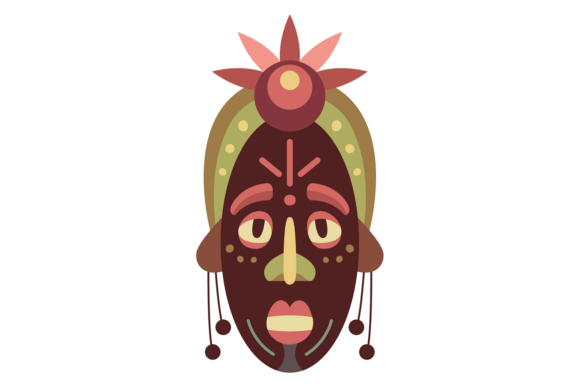
Understanding the visual characteristics of this ornament is key to using it effectively. Traditional African masks are rarely about realistic human features. Instead, they focus on geometry, symbolism, and spiritual essence. You will typically see bold, geometric lines in the decorative ornament mask. These are not random shapes; they often represent scarification marks, tribal affiliations, or spiritual connections. The symmetry in these designs creates a sense of balance and order, which is incredibly useful in logo design and brand identity work where stability is a desired trait.
The "personality" of this style is distinct. It is bold, confident, and culturally rich. Unlike a generic geometric shape, this mask carries the weight of history. It appeals to an audience that values authenticity and craftsmanship. The intricate details—whether they are carved wood textures or painted patterns—add a layer of visual complexity that holds the viewer's attention. For a designer or marketer, this means you are working with a creative font equivalent in graphic form; it has personality baked right into the structure.
Strategic Applications for Modern Creators
Where does a Decorative Ornament Mask in Traditional style actually work best? The versatility might surprise you. It is a powerful tool in packaging design, particularly for artisanal goods, coffee brands, or organic products that want to emphasize earthy, natural origins. Using the SVG version allows you to scale the intricate patterns for bottle labels or box sleeves without losing quality.
In web design and social media graphics, this asset serves as a striking focal point. It works exceptionally well as a hero image or a background watermark. Because the style is so distinct, it helps with brand recognition. If you are a content creator or blogger, using this mask in your thumbnails or header images can instantly signal a niche related to culture, art, history, or even bold fashion.
For publishers and those involved in editorial design, these illustrations break up text-heavy layouts effectively. They provide a visual pause for the reader. Imagine a magazine spread about global art trends; a high-quality vector mask adds immediate context and visual interest. It is also an excellent choice for merchandise. Entrepreneurs and small business owners can utilize these designs on t-shirts, tote bags, or posters, turning a simple product into a piece of wearable art.
Pairing and Integration: The Designer's Workflow
Integrating a complex visual element like a totem mask requires a thoughtful approach to typography and layout. You cannot just throw any font next to it. The goal is contrast and cohesion.
Typography Pairing Strategies
Because the mask is ornate and decorative, your typography usually needs to be cleaner. A sans serif font is often the safest bet. The clean, geometric lines of a modern sans serif complement the organic, intricate lines of the mask without competing for attention. Think of a bold, uppercase sans serif for headlines paired with the mask; it creates a powerful, modern contrast.
However, if you want to lean into the heritage aspect, a serif font with a strong structure can work. Avoid script fonts or handwritten fonts for main headers when using this mask, as the visual noise can become overwhelming. Save the script for small accents if necessary. The mask acts as a display font visually—it is the "shout"—so your actual text needs to be the "voice" that provides clarity.
Practical Execution and Testing
When you download the file, do not just place it and walk away. You need to test how the decorative ornament mask interacts with your specific color palette. Black and white is classic, but try applying your brand's accent colors to different sections of the vector file. This is where the EPS or SVG format shines; you can deconstruct the art and colorize specific segments.
Check the visual hierarchy. The mask should support your message, not drown it. If you are designing a poster, ensure the text has enough "breathing room" (negative space) around the mask. If the mask is too close to the text, the design will feel cramped and difficult to read. This affects readability and the overall user experience.
Commercial Viability and Final Thoughts
For entrepreneurs and marketers, the commercial aspect is critical. Always verify the licensing of your design assets. Ensure that the premium font or graphic you choose allows for commercial use, especially if you plan to use it for client work or merchandise sales. A high-quality asset is an investment in your brand's professionalism. Using a low-resolution or unlicensed image can damage your reputation instantly.
The Decorative Ornament Mask in Traditional style is more than just a clipart image. It is a bridge between ancient artistry and modern typography. It offers a way to inject soul into digital designs that might otherwise feel flat. Whether you are crafting a brand identity for a new startup or designing a cover for a novel, this asset provides a foundation of visual strength and cultural depth. Use it with respect, pair it wisely with your typography, and it will elevate your project from simple design to visual storytelling.