The Allure of the African Human Face Mask in Design
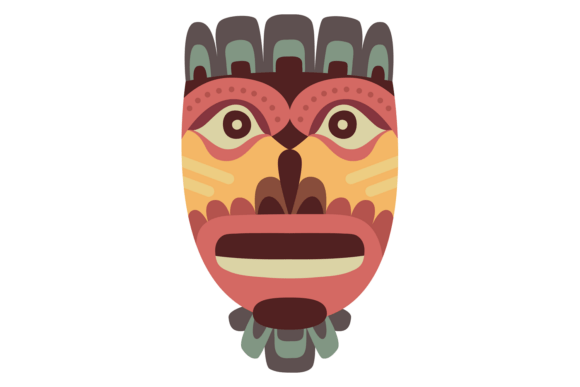
There is an immediate, arresting quality to a well-rendered human face, especially one steeped in cultural tradition. When this element is isolated and stylized as a decorative souvenir icon, it transcends mere representation. It becomes a powerful design asset. The Decorative African Souvenir. Human Face icon, available as an isolated vector on white background in formats like EPS, SVG, and transparent PNG, is exactly this kind of asset. It’s not just a clipart image; it’s a conversation starter, a brand anchor, and a piece of visual storytelling condensed into a single, striking form.
For designers, marketers, and entrepreneurs, understanding how to leverage such a distinctive graphic is key. This particular icon style often draws from the rich visual language of African art—think of the elegant elongation of a Dan mask, the geometric abstraction of a Baule portrait, or the serene symmetry of a Yoruba carving. Its personality is one of dignity, mystery, and timeless artistry. The style balances realism with decorative interpretation, making it versatile enough to feel both authentic and contemporary. Its overall appeal lies in its ability to convey depth, heritage, and a human connection without a single word.
Where This Icon Finds Its Voice
The true value of a creative font or icon is measured by its application. The Decorative African Souvenir. Human Face shines in contexts where storytelling and visual impact are paramount. In logo design and brand identity, it can serve as the core mark for brands in wellness, artisanal crafts, cultural tourism, or high-end fashion that wish to project authenticity and global sophistication. It moves beyond a generic sans serif font or serif font to give a brand an immediate, memorable personality.
For editorial design and packaging design, this icon is a powerhouse. Imagine it on the cover of a travel magazine, the label of a gourmet coffee brand sourcing beans from Ethiopia, or the packaging for a natural skincare line. It adds instant editorial depth and perceived value. In digital and web design, it can be used as a compelling hero image, a section divider, or a custom cursor that elevates the user experience. For social media graphics, it stops the scroll. A single, powerful face icon in a thumbnail or infographic outperforms a dozen generic stock photos. It’s a premium design asset that works hard across both commercial and personal projects.
Integrating the Icon: A Practical Guide
Adopting a strong visual element like this requires thoughtful execution. It’s not a handwritten font or a script font you pair casually; it’s a focal point. Here’s how to approach it:
- Evaluate Project Fit: Does your project have a narrative? This icon suits projects with themes of culture, community, artistry, or human connection. It might overwhelm a minimalist tech startup but would be perfect for a community library or a cultural festival.
- Test Font Pairings Thoughtfully: If using it alongside typography, let the icon lead. Pair it with clean, neutral typefaces. A simple modern typography sans serif font for body text or a refined serif font for headlines can provide balance without competing for attention. Avoid pairing it with other highly decorative or premium fonts that have strong personalities.
- Master Readability and Hierarchy: The icon itself should be the hero. Ensure it has ample breathing room. In a layout, use it to create a strong visual hierarchy. It naturally draws the eye, so place supporting text and other elements in a way that guides the viewer from the icon to the key message.
- Review Licensing and Formats: For any commercial font or asset, licensing is non-negotiable. Verify the license permits your intended use, whether for a client’s brand identity, merchandise, or digital products. The availability of EPS and SVG files is crucial for scalability and editing, while transparent PNGs are ready for immediate use in web and print layouts.
Consider a real-world example: a boutique hotel in Marrakech. Using this face icon as the cornerstone of their visual identity—embossed on stationery, as a watermarked pattern on menus, and as the profile picture on social media—creates a cohesive, sophisticated brand identity that feels deeply connected to place. It’s far more effective than a standard display font logo alone.
Ultimately, the Decorative African Souvenir. Human Face is more than a decorative element. It’s a strategic tool. It influences perception by adding layers of meaning, emotion, and cultural resonance. When used with intention, it enhances readability by creating clear focal points, builds consistency by becoming a recognizable brand motif, and boosts engagement by offering viewers a visually rich and human-centered experience. In a world saturated with generic visuals, investing in such a distinctive asset is an investment in being remembered.