Stained Glass Lamp: A Decorative Interior Icon
Understanding the Visual Language
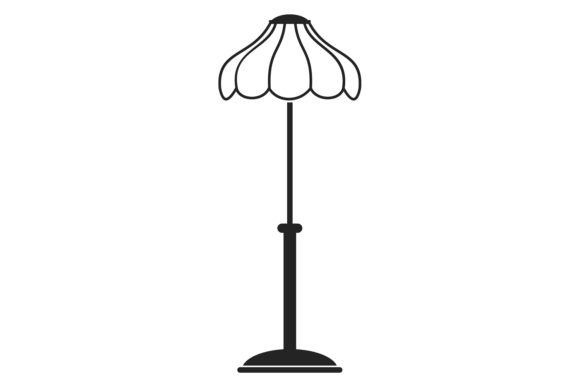
When we talk about a Stained Glass Lamp, we aren't just discussing a light fixture; we are talking about a piece of history translated into modern design assets. Visually, this motif is defined by its segmented structure—think of the intricate leading of Tiffany glass, where black or dark grey lines create distinct sections filled with rich, jewel-toned hues or soft pastels. The appeal lies in the interplay between structure and color. In a vector format—whether it is an EPS, SVG, or high-resolution JPG—the icon captures the "glow" effect, simulating light passing through colored glass. This creates an atmosphere of warmth and craftsmanship that standard flat icons simply cannot achieve.
The personality of the Stained Glass Lamp is one of sophistication and heritage. It carries an inherent Art Nouveau or Arts and Crafts aesthetic, making it feel established and authentic. However, depending on the color palette used, it can easily shift from a vintage Victorian vibe to a contemporary geometric statement. For designers, this versatility is key. It serves as a decorative interior element that adds immediate visual weight to a composition without needing complex 3D rendering.
Strategic Applications for Branding and Marketing
For entrepreneurs and brand strategists, the Stained Glass Lamp offers a unique way to build a distinct brand identity. It works exceptionally well for businesses that want to communicate values of quality, tradition, and attention to detail. Think about the hospitality sector—boutique hotels, high-end restaurants, or speakeasy-style bars. Using this icon in logo design or menu layouts instantly sets a mood of curated experience and ambiance. It suggests that the brand cares about the environment it creates for its customers.
In packaging design, particularly for artisanal goods like candles, tea, or handmade crafts, the stained glass aesthetic provides a premium feel. It mimics the look of a premium font or a display font in that it demands attention. You can use the transparent PNG version to overlay textures onto product photography, creating a sophisticated frame or watermark. For editorial design, such as magazine covers or book jackets focusing on mystery, history, or romance, the imagery of light filtering through glass adds a layer of narrative depth. It suggests that there is a story waiting to be told behind the light.
Digital Presence and Social Media Graphics
Transitioning to digital spaces, the Stained Glass Lamp is a powerhouse for social media graphics. In a feed dominated by minimalism and flat design, a rich, textured icon stands out. It provides a tactile quality that encourages users to stop scrolling. Content creators can use the isolated icon as a decorative bullet point in infographics or as a recurring visual motif in Instagram Stories to build brand recognition. Because the asset is available in SVG format, it scales perfectly for web design, ensuring that the intricate details of the "leading" remain crisp on high-resolution retina screens.
Furthermore, this visual element bridges the gap between serif font aesthetics and modern layout needs. While a sans serif font provides clean readability for body text, the stained glass icon adds the necessary ornamentation to prevent the design from feeling sterile. It acts as a visual anchor, guiding the viewer's eye through the layout much like a drop cap in modern typography. For web design, consider using it as a loading animation placeholder or a distinct section divider that breaks up long-form content, adding a moment of visual delight for the user.
Practical Integration and Design Pairings
Integrating a Stained Glass Lamp into your projects requires a thoughtful approach to color and pairing. Because the icon is inherently detailed, it pairs best with cleaner typefaces. A geometric sans serif font can modernize the look, creating a pleasing contrast between old-world charm and new-age efficiency. Conversely, pairing it with a script font or handwritten font leans into the organic, artisanal nature of the design, perfect for wedding invitations or lifestyle blogs.
When selecting your specific asset, pay close attention to the file types. The EPS vector is essential for print production, allowing you to scale the lamp for large format signage or posters without pixelation. The transparent PNG is your workhorse for digital compositing, allowing you to place the lamp over complex backgrounds in social media graphics or website banners seamlessly. Always check the licensing; a commercial font or asset license ensures you are covered for client work, merchandise, and digital products. Treat this asset not just as a picture, but as a core component of your design assets library—a tool that brings light, warmth, and structure to your creative vision.