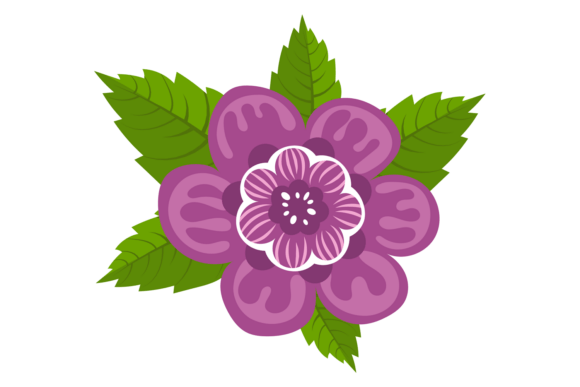
The Art of the Flower Icon: A Guide to Decorative Floral Elements
In the world of digital design, we often talk about typography, layout, and color theory. But there's another layer of visual language that adds depth and emotion to a project: the flower icon. More than just a simple graphic, a well-crafted decorative floral element can be the secret weapon that transforms a good design into a memorable one. These assets carry a unique personality, blending organic softness with structured form, and when used intentionally, they can speak volumes about a brand's character and connect with an audience on a more personal level.
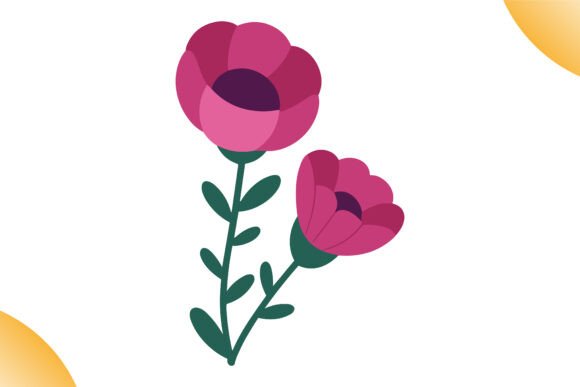
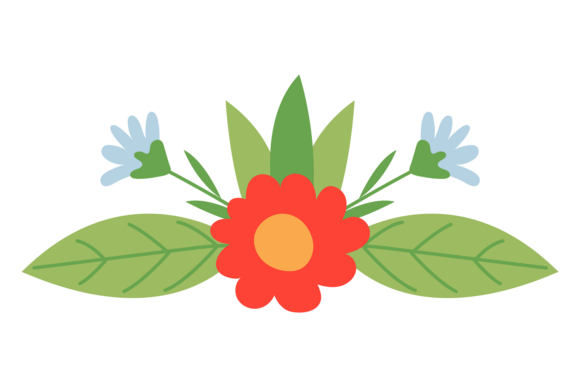
At its core, a flower icon is a stylized representation of a blossom, designed to function as a versatile design asset. Unlike a full photographic illustration, an icon distills the essence of a flower—its petals, center, and stems—into a clean, scalable graphic. A true decorative floral element takes this a step further. It's not just an icon in isolation; it's a component designed to enhance, frame, or accentuate other content. Think of a delicate floral corner for a wedding invitation, a bold, abstract blossom for a cosmetics logo, or a seamless pattern of tiny flowers for a fabric print. The visual characteristics are paramount: the style can range from minimalist line art to richly detailed, vintage-inspired engravings. The "personality" might be romantic and whimsical, modern and geometric, or earthy and hand-crafted. Its overall appeal lies in its ability to inject life, nature, and a sense of curated beauty into any canvas.
Where Floral Design Truly Blooms: Practical Applications
The utility of a high-quality flower icon set spans nearly every corner of the creative and commercial landscape. For graphic designers and brand strategists, these elements are foundational to building a cohesive brand identity. A floral motif can become the cornerstone of a logo for a boutique, a wellness studio, or a sustainable brand, instantly communicating values of growth, care, and natural elegance. In packaging design, a decorative floral element can elevate a product on the shelf, making it feel artisanal and premium. The same icon can be adapted for a website's favicon, social media profile picture, or the corner of a business card, creating a subtle thread of recognition across all touchpoints.
For marketers and content creators, the applications are equally powerful. Social media graphics become more engaging when they feature a relevant floral accent. A blog header or a promotional banner can use a flower icon to draw the eye and break up text-heavy layouts. In editorial design for magazines or online publications, floral dividers, drop caps, and spot illustrations add a layer of sophistication and visual rhythm to the page. Even in web design, these icons can be used as interactive elements—hover effects, loading animations, or section decorators—that make the user experience more delightful and memorable. The key is that they are not just decoration; they are communication tools.
Strategic Integration: Beyond Simple Decoration
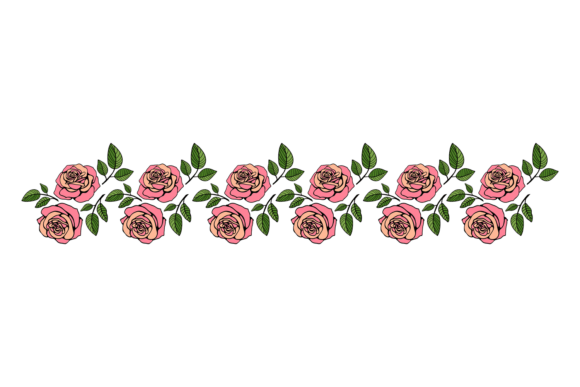
Integrating a flower icon effectively requires more than just placing it on a page. It's about understanding its influence on fundamental design principles. A well-chosen floral element can dramatically improve visual hierarchy. A larger, more detailed blossom can act as a focal point, while smaller, simpler icons can guide the viewer's eye through the content. This directly impacts readability; strategic placement of a floral divider, for instance, can provide a necessary visual pause between dense paragraphs of text.
Furthermore, consistency in the use of these elements builds brand recognition and professionalism. If your brand uses a specific style of line-art flower icon, that same style should appear on your website, your email newsletters, and your print materials. This repetition creates a sense of cohesion and thoughtfulness that audiences instinctively trust. It’s a subtle signal that every detail has been considered, which strengthens the overall brand perception. A premium font might get your message across, but a complementary floral element can make your audience feel the message.
Making the Right Choice: A Practical Selection Guide
With countless floral assets available, choosing the right one can feel overwhelming. Start by evaluating your project's core personality. Is it modern and clean? Look for a flower icon with geometric shapes and flat colors. Is it romantic and vintage? Seek out detailed, hand-drawn styles with soft gradients. Always consider the final medium. A complex, high-detail icon may look stunning on a printed poster but could become a blurry mess when scaled down for a mobile favicon. This is where the importance of file formats comes into play. A versatile asset pack should include EPS or SVG for infinite scalability, transparent PNG for easy layering in any software, and JPG for quick use in web layouts. The phrase "Color blossom isolated on white background EPS, JPG, SVG, transparent PNG" isn't just a file list—it's a promise of versatility and professional utility.
Before committing, conduct a simple test. Place the decorative floral element next to your primary typography. Does it compete with your serif font or sans serif font, or does it complement it? A busy floral icon might clash with a detailed script font, but could pair beautifully with a clean, modern typeface. Review all the styles included in a pack. A good collection will offer variations in color, orientation, and detail, allowing you to create a dynamic yet cohesive system. Finally, never overlook licensing. Ensure the commercial font or icon license covers your intended use, whether for a client's logo, merchandise for sale, or a digital product. A creative font or icon is an investment in your project's visual identity, and using it correctly is part of the professional process.
In the end, a flower icon is far more than a pretty picture. It is a versatile design asset that, when used with intention and skill, can articulate brand values, guide the viewer's experience, and add a layer of undeniable charm to any project. By selecting the right style, applying it consistently, and respecting its role in your visual system, you allow this simple decorative floral element to do its best work: to connect, to beautify, and to make your design feel complete.