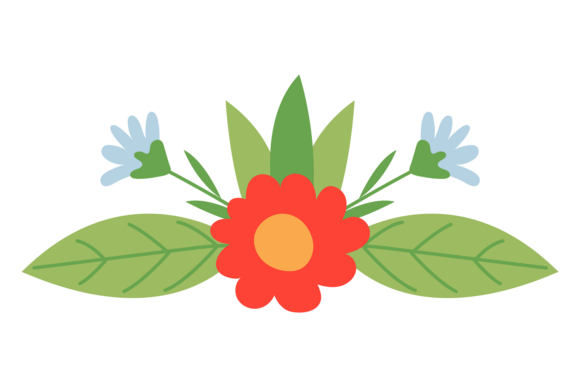
Floral Decorative Element: Botany Meets Design
The Essence of Organic Typography
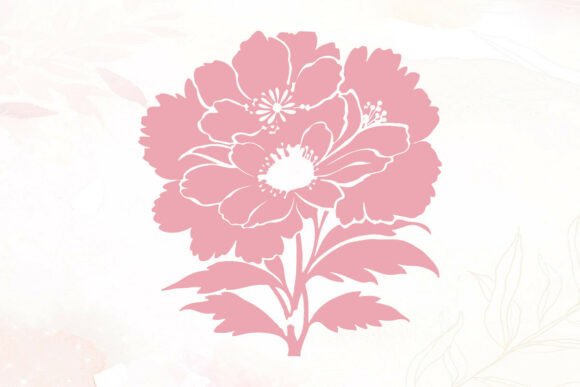
When you think about typography, your mind probably jumps to letters and numbers. But there's a whole world of design that speaks without words—through shapes, textures, and natural forms. Floral Decorative Element sits at this fascinating intersection where flower botany and visual design collide. It's not a traditional typeface in the way we typically discuss serif or sans serif fonts. Instead, it's a collection of botanical illustrations, leaf motifs, and floral arrangements crafted as scalable design assets.
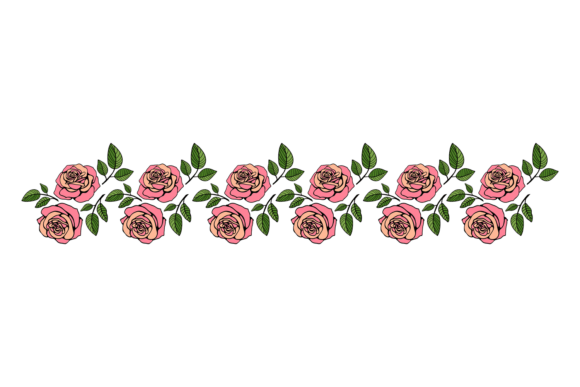
The visual personality here leans heavily into organic elegance. We're talking about delicate petals, intricate leaf veins, and flowing stems that feel hand-drawn yet refined. The overall appeal is timeless—these elements don't chase trends because nature itself doesn't follow design cycles. Whether you're working with EPS vectors, JPG files, transparent PNGs, or SVG formats, each piece maintains that natural, authentic quality that synthetic graphics often struggle to replicate.
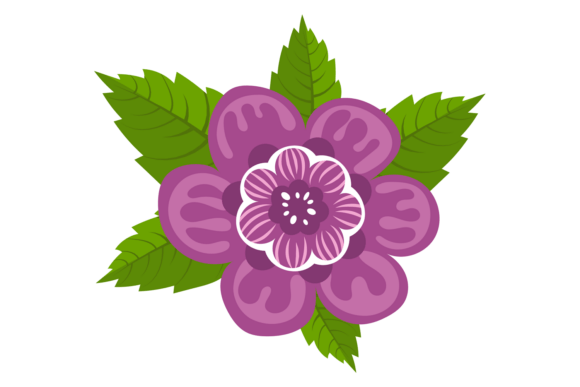
What makes Floral Decorative Element particularly compelling is its versatility across moods. Some pieces feel romantic and soft, perfect for wedding invitations or boutique branding. Others carry a bolder, more structured energy suited to editorial design or product packaging. The green leaves isolated on white backgrounds offer clean separation, making them incredibly practical for layering over photographs, colored backgrounds, or complex layouts without muddying your composition.
Where Botanical Elements Shine Brightest
In my experience designing brand identities for small businesses, botanical elements like those found in Floral Decorative Element collections work beautifully across several categories. Wedding stationery is an obvious starting point—florals and celebrations feel inherently connected. But the applications stretch far beyond romantic occasions.
Packaging design benefits enormously from these natural motifs. Imagine a skincare brand using delicate leaf illustrations on their labels, or a tea company incorporating botanical line art into their box designs. The organic feel communicates authenticity, craftsmanship, and attention to quality—exactly what consumers associate with artisanal and premium products.
Editorial designers working on magazines, book covers, or cookbook layouts frequently reach for botanical elements to add visual interest without overwhelming text-heavy pages. A single well-placed floral decorative element can anchor a page spread, create breathing room around dense copy, or establish a seasonal theme throughout an entire publication.
Digital applications deserve equal attention. Social media graphics, website headers, email newsletter designs, and blog post illustrations all benefit from botanical touches. The transparent PNG format proves especially valuable here—drop a floral element onto an Instagram story or Pinterest pin without worrying about awkward white boxes or background clashes.
For entrepreneurs building their brand identity, these elements offer something that generic clip art cannot: sophistication. A thoughtfully chosen botanical motif repeated across business cards, website design, packaging, and social media creates visual consistency that customers begin recognizing instinctively.
Practical Guidance for Working With Botanical Design Assets
Choosing the right floral elements requires honest evaluation of your project's personality. Floral Decorative Element collections typically include various styles—from loose, sketchy linework to more polished, detailed renderings. A luxury jewelry brand needs different botanical energy than a children's clothing company. Match the illustration style to your audience's expectations and your brand's voice.
Consider scale carefully. Botanical elements that look gorgeous at full size might lose definition when reduced to fit a business card or favicon. Test your chosen elements at actual production sizes before committing. Print a sample at the dimensions you'll actually use. View digital elements on multiple screen sizes. What reads as an elegant leaf cluster at poster scale might become an indistinguishable blob on a mobile phone screen.
Font pairing with botanical illustrations requires restraint. If your floral elements are detailed and ornate, pair them with clean sans serif fonts or simple serif fonts. Conversely, minimal botanical line drawings can coexist with more expressive script fonts or handwritten fonts. The goal is complementing, not competing. Your typography and botanical elements should feel like they belong to the same visual family without one overshadowing the other.
Color considerations matter significantly. The green leaves isolated on white backgrounds in Floral Decorative Element sets give you flexibility—recolor them to match your palette, keep them natural for earthy brands, or use them as-is for clean, minimal designs. Many designers overlook recoloring possibilities, treating botanical elements as fixed when they're actually quite adaptable.
Licensing deserves your attention before any commercial use. Premium font and design asset licenses vary widely. Some permit unlimited commercial use across all media. Others restrict quantities, applications, or require additional purchases for specific uses. Read the fine print. If you're creating client work, ensure your license covers their intended use as well. This protects everyone involved and prevents awkward legal conversations later.
When evaluating whether Floral Decorative Element fits your project, ask yourself a few direct questions. Does this botanical style match my brand's personality? Will these elements enhance readability or distract from my message? Can I use them consistently across all my touchpoints? Do the available file formats work with my software and workflow?
One practical tip I share with fellow designers: build a small mood board before purchasing any design assets. Gather examples of how similar botanical elements appear in designs you admire. This helps you visualize the final result and prevents impulse purchases that collect digital dust in unused folders.
For content creators and bloggers specifically, botanical elements offer incredible longevity. A single well-chosen floral decorative element can serve across hundreds of blog graphics, social posts, and promotional materials. That return on investment—both financial and creative—makes thoughtful selection worthwhile. You're not just buying a graphic file. You're investing in a visual asset that strengthens your modern typography and design language over time.
Remember that botanical design elements work hardest when they support your overall visual hierarchy. They should guide eyes toward your message, not away from it. Used thoughtfully, Floral Decorative Element and similar botanical collections become silent partners in your design work—adding warmth, character, and that unmistakable connection to the natural world that resonates with virtually every audience.