Timeless Elegance: Using Vintage Floral Vectors in Modern Design
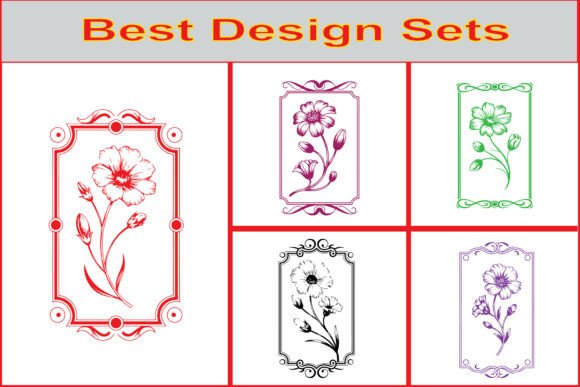
There is a distinct charm to the intricate, hand-drawn quality of a vintage floral design. It evokes a sense of history, craftsmanship, and a slower, more deliberate pace. In a digital world saturated with clean lines and minimalist grids, these ornamental elements offer a breath of fresh air, adding warmth, personality, and a touch of romanticism. This is precisely where a high-quality Vintage Floral Decorative Vector Element collection becomes an indispensable part of a designer's toolkit. It’s not just about a single asset; it's about a versatile set of design elements that can infuse a classic, refined mood into a wide array of projects.
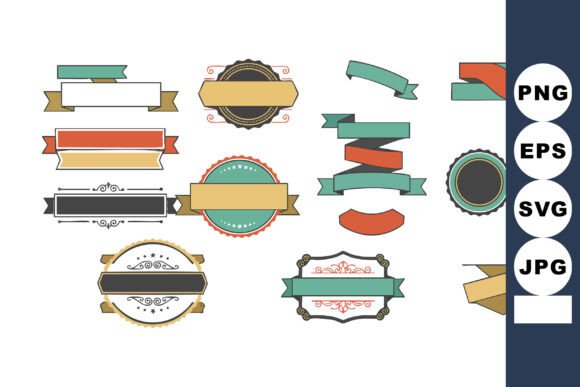
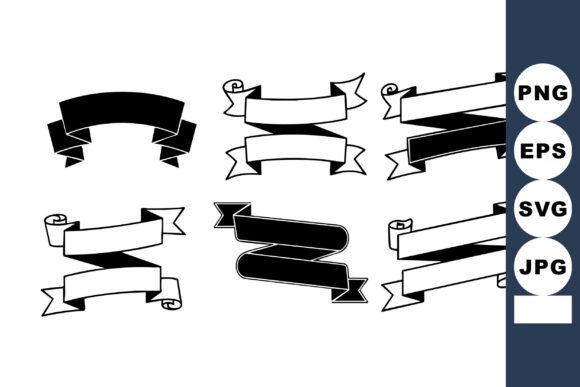
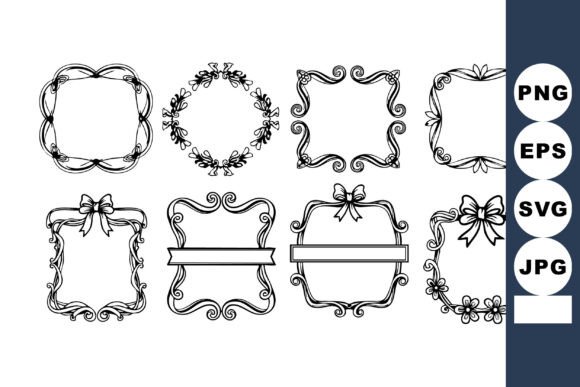
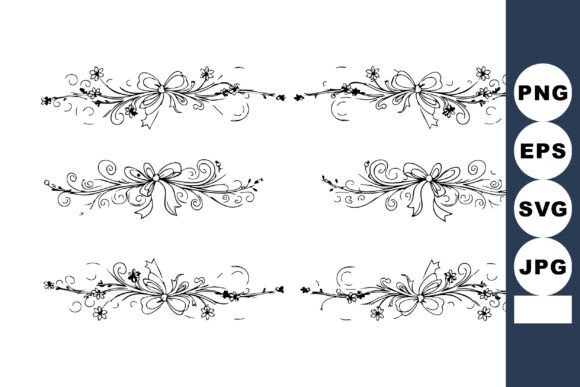
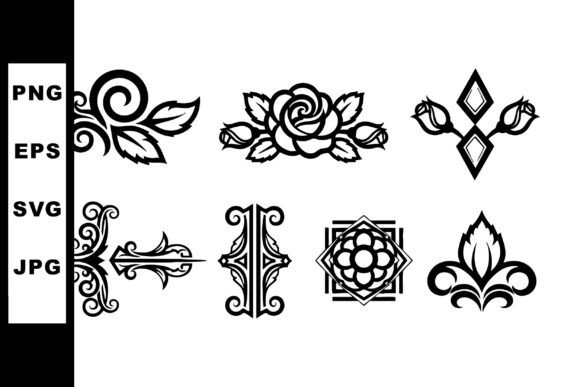
The true value of a well-curated set lies in its flexibility. A comprehensive download containing SVG, EPS, JPG, and PNG files ensures seamless integration into virtually any workflow, whether you're working in Adobe Illustrator, Canva, or a print-on-demand platform. This particular set of vintage floral decorative vector elements features intricate shapes and elegant ornamental embellishments, making it a go-to resource for creating designs that feel both sophisticated and timeless.
The Anatomy of a Classic Aesthetic
Before diving into applications, it's helpful to understand what makes these elements so effective. The style is characterized by flowing, asymmetrical lines, detailed botanical illustrations, and a sense of organic movement. You'll often find delicate leafy swirls, stylized blossoms, and decorative frames that draw inspiration from art movements like Art Nouveau and the Arts and Crafts movement. This aesthetic stands in stark contrast to the hard edges of modern typography and geometric patterns, offering a powerful tool for visual contrast and hierarchy.
When you incorporate a Vintage Floral Decorative Vector Element into your work, you're doing more than just adding a pretty picture. You are making a deliberate choice to communicate specific values: tradition, quality, artistry, and elegance. This is crucial for brand identity. A small business selling handmade soaps, a boutique wedding stationer, or a specialty coffee roaster can use these embellishments to instantly convey a story of care and authenticity that generic graphics simply cannot.
Practical Applications Across Creative Fields
The versatility of these design assets is where their real power lies. They are not limited to a single medium but can elevate projects across the creative spectrum. For entrepreneurs and small business owners, these elements are a secret weapon for creating a premium feel without a premium agency price tag.
- Branding and Logo Design: A single floral flourish can transform a simple wordmark into a memorable logo. Use a decorative vector to frame a business name, create a standalone icon, or add a subtle watermark to business cards and letterheads. It helps a brand feel established and thoughtfully designed from day one.
- Packaging Design: For products on a shelf, packaging is everything. These vintage elements can be used to create beautiful labels, sleeve designs, and gift box graphics. They are particularly effective for artisanal food, beauty products, and spirits, suggesting a handcrafted quality.
- Editorial and Web Design: In publishing and digital content, these vectors serve as excellent ornamental breaks, chapter headers, or background textures. A blogger can use them to create unique social media graphics that stand out in a crowded feed, while a web designer can add a touch of class to a website's "About" page or footer.
- Printables and Stationery: For crafters and designers creating digital products, a set of vintage floral elements is invaluable. They can be used to design wedding invitations, thank-you cards, printable wall art, and planner stickers. The included PNG files with transparent backgrounds make them easy to layer and manipulate.
Integrating Vintage Elements with Modern Typography
One of the most common questions is how to pair these ornate, classic elements with modern typography. The key is to create a balanced dialogue between the old and the new. A common mistake is to pair a complex floral design with an equally decorative script font or serif font, which can result in a cluttered and illegible design.
Instead, consider contrast. A clean, geometric sans serif font like Montserrat or Lato provides a perfect modern counterpoint to the intricate detail of a vintage flourish. The simplicity of the typeface allows the floral element to shine without competing for attention. This pairing is excellent for web design and social media graphics, where readability on screens is paramount.
For a more traditional but still balanced look, pair the floral elements with a sturdy, readable serif font like Garamond or a transitional serif like Baskerville. This combination feels classic and authoritative, ideal for book covers, formal invitations, and luxury brand identities. The goal of font pairing is to ensure the decorative elements enhance, rather than hinder, the overall message and readability.
A Practical Guide to Choosing and Using Your Elements
When selecting a premium font or design asset set, a few practical considerations will ensure you get the most value. First, evaluate the file formats. A good set will include vector files (SVG and EPS) for infinite scalability without loss of quality, which is essential for logo design and large-format printing. It should also include raster files (JPG and PNG) for easy use in programs like Photoshop or Canva.
Next, consider the variety within the set. Does it offer a range of individual elements—like standalone flowers, leaves, and corner pieces—as well as pre-composed frames or dividers? This variety is crucial for maintaining a consistent visual hierarchy and brand recognition across different applications. A single element used repeatedly can become a powerful part of your brand's visual language.
Finally, always check the licensing. For any commercial project, ensure you have a commercial font and asset license that covers your intended use, whether for a client's brand identity or for products you plan to sell. Taking the time to review these details upfront prevents legal headaches down the road and is a hallmark of a professional creative process. By thoughtfully integrating these timeless assets, you can create designs that are not only beautiful but also strategically effective.